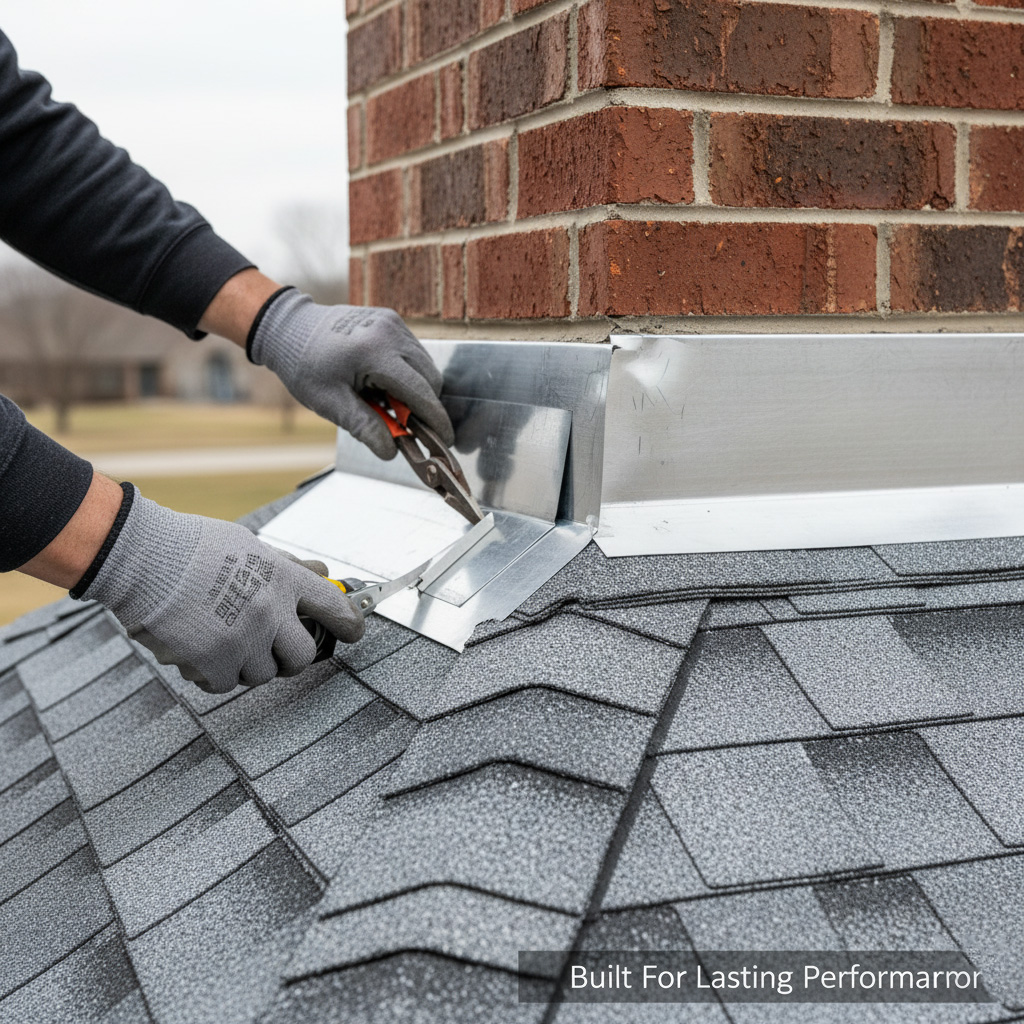


⚡ TL;DR: This guide teaches Saint Paul homeowners about roof ventilation installation to enhance comfort, covering types, climate challenges, warning signs, and a step-by-step process.
📋 What You’ll Learn
In this guide to roof ventilation installation in Saint Paul, you’ll uncover how it boosts comfort, tackles local climate issues, selects ideal types, spots problems, and follows proven steps for Minnesota homes.
- Understand roof ventilation fundamentals and how balanced intake-exhaust airflow cools attics, cuts moisture, prevents ice dams, and improves energy efficiency year-round.
- Tackle Saint Paul's climate hurdles with solutions for brutal winters, humid summers, heavy snow loads, and attic heat that threaten roof integrity and indoor comfort.
- Discover top ventilation options like ridge vents, soffits, turbines, and solar-powered systems perfectly suited for durable Minnesota home roofs.
- Spot signs and master installation from high bills and mold to a step-by-step guide, plus a Highland Park case study reviving home comfort.
📖 Reading time: 7 min
✍️ Author expertise: Saint Paul roofer with 15+ years of field-tested ventilation installs in Minnesota homes.
Ever wake up in your Saint Paul home feeling like you're trapped in a sauna, even with the AC blasting full tilt? That's your roof screaming for better ventilation, turning your attic into a hotbox that leaks misery downstairs.
Come winter, those ice dams pile up like uninvited guests, cracking shingles and flooding your ceilings because trapped moisture has nowhere to go in our brutal Minnesota freeze-thaw cycles.
Proper roof ventilation flips the script, slashing energy bills and keeping your family comfy year-round. Let's dive into why installing it now in Saint Paul is your smartest move.
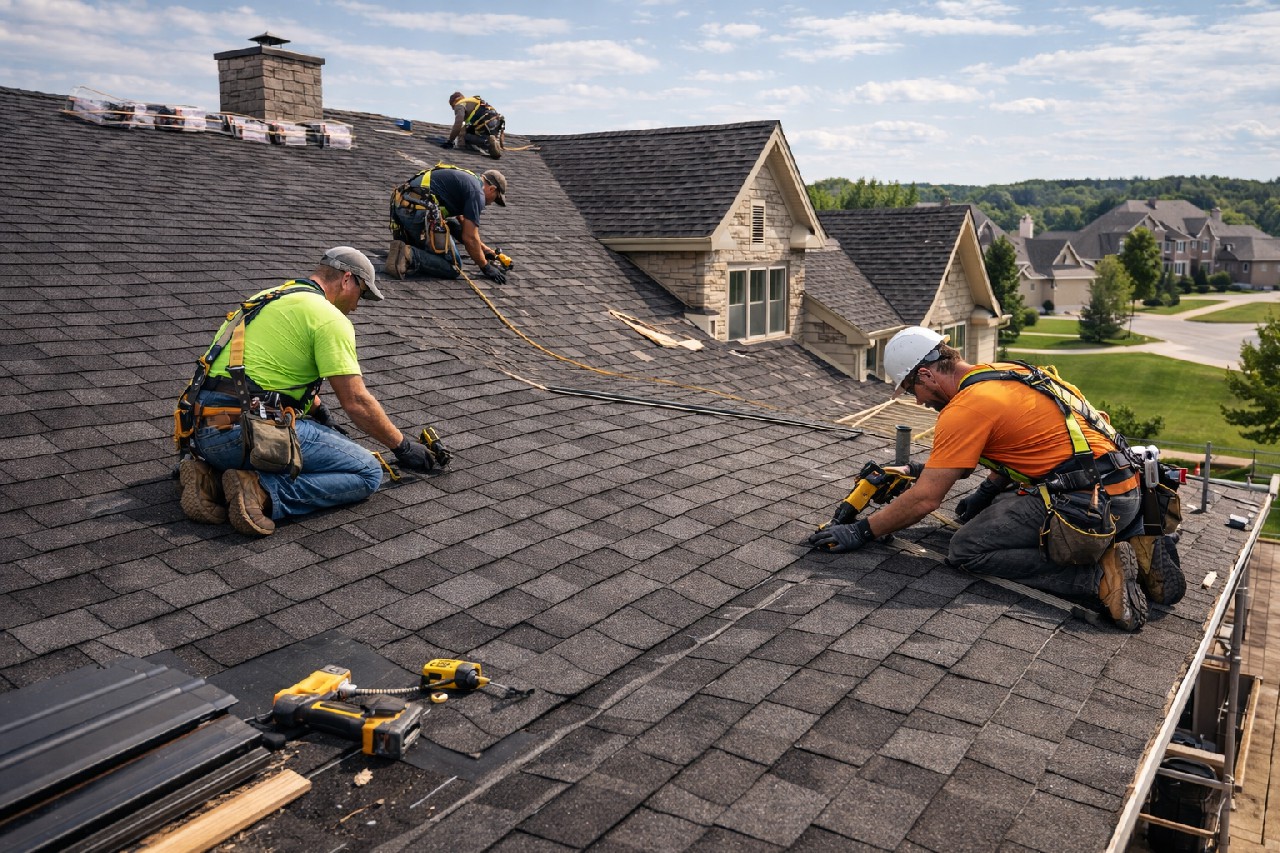
What Is Roof Ventilation and How Does It Work?
Roof ventilation means smart openings in your roof system that let air move freely through the attic. Think of it as lungs for your home. Fresh air pulls in from the bottom, stale hot air pushes out the top.
The Basic Flow
Intake vents sit low, near the soffits or eaves. They suck in cooler outside air. That air rises, heats up, and escapes through exhaust vents at the roof peak or gable ends.
- Hot air rises naturally - no fans needed in most setups.
- Cool air replaces it, dropping attic temps by up to 50 degrees on brutal summer days.
- Moisture vents out too, dodging rot and mold.
Balance matters most. You need equal intake and exhaust space - about 1 square foot per 150 to 300 square feet of attic floor. Skimp here, and your roof fights itself. Get it right, and your whole house breathes easier.
Saint Paul's Unique Climate Challenges and Ventilation Solutions
Saint Paul winters hit like a freight train. Snow piles high, then thaws during freak warm spells, only to refreeze into ice dams that wreck havoc on your roof.
Trapped attic heat melts snow from below. Water sneaks under shingles, floods your home, and rots everything in sight.
Beating the Freeze-Thaw Nightmare
- Intake vents at the soffit pull in cold air.
- Exhaust vents up top push out warm, moist air before it condenses.
- Result? No more ice buildup or leaks.
Summers crank up the misery too. Humid air bakes your attic past 150°F, forcing your AC to work overtime.
That heat radiates downstairs, spiking bills and turning bedrooms into sweatboxes. Poor airflow lets mold thrive in the damp.
Smart ventilation changes the game. Ridge vents and turbines create a steady breeze, dumping hot air fast and drying out moisture.
Expect 20-30% lower energy costs and a roof that lasts decades longer in our wild Minnesota weather.
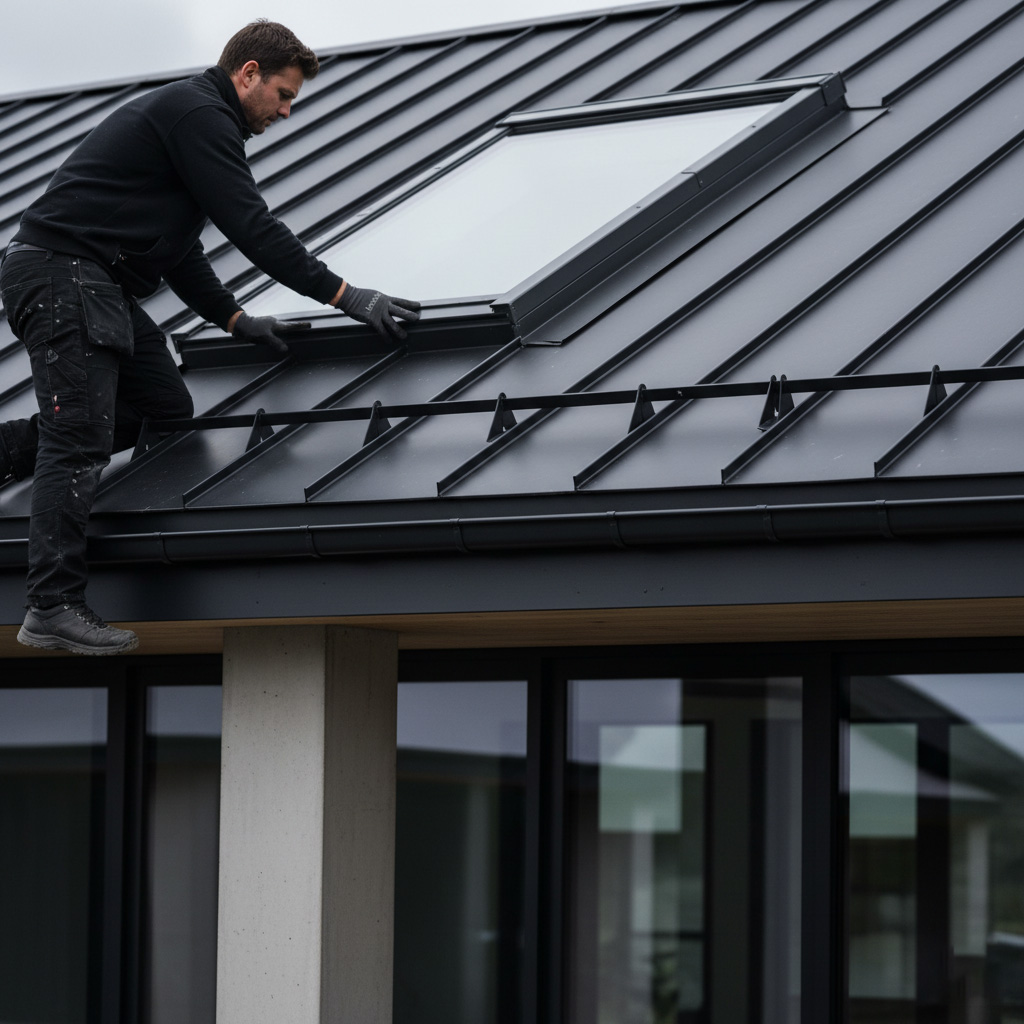
Top Roof Ventilation Types for Minnesota Homes
Minnesota's wild swings from sweltering summers to bone-chilling winters demand tough ventilation that pulls hot air out and lets cool air in without fail. Passive systems rule here. They work with wind and heat differences, no electricity needed.
Ridge Vents and Soffit Vents: The Dynamic Duo
Picture this: soffit vents suck cool air up from the eaves while ridge vents at the peak spit out trapped heat. This combo creates nonstop airflow in Saint Paul attics, slashing moisture buildup that feeds those nasty ice dams.
- Pros: Low-cost install, zero energy bills, lasts decades.
- Fits most shingle roofs common in MN.
- Boosts AC efficiency by 20-30% in summer.
Turbine and Powered Vents: Extra Punch When Needed
For steeper roofs or bigger homes, turbine vents spin with wind like mini windmills, yanking heat skyward. Powered attic fans kick in during peak heat, but watch the electric draw in our long winters.
Go solar-powered if you want zero bills. These bad boys pair perfectly with passive setups for total control in Highland Park bungalows or Cathedral Hill Victorians.
Key Signs Your Saint Paul Roof Needs Better Airflow
Your attic hits 140 degrees on a summer day. Touch the underside of your roof rafters. If they're scorching hot, poor ventilation traps heat like a pressure cooker.
Energy bills spike through the roof. Your AC runs nonstop, fighting that attic inferno bleeding downstairs. Check last summer's statements, they don't lie.
Winter Warnings You Can't Ignore
- Ice dams forming along the eaves, despite clear gutters elsewhere. Moisture from a steamy attic freezes solid in our Minnesota cold snaps.
- Mold spots or musty smells creeping into living spaces. Trapped humidity breeds nasty growth up top, then migrates below.
- Shingles curling, cracking, or flying off early. Extreme temps without airflow shorten their life fast.
Peeling interior paint near the ceiling edges. That's moisture escaping from a poorly vented attic, wrecking your walls over time.

Step-by-Step Roof Ventilation Installation Guide
Ready to tackle roof ventilation yourself? Think twice. This job hits the roofline, so grab a pro like us in Saint Paul to dodge costly slip-ups. But here's the blueprint if you're set on DIY.
Quick Assess and Prep
- Climb your attic. Check for blocked vents or zero airflow. Measure square footage for vent sizing: aim for 1 square foot of vent per 150-300 attic square feet.
- Spot ice dam scars or hot spots. Clear debris. Seal gaps around pipes and chimneys first.
Skip this? Your new vents fight a losing battle.
- Install intake vents. Cut soffit panels for continuous strips. Nail in vented soffits. Pull cool air from eaves upward.
- Add baffles. Staple foam channels between rafters. They channel air, stop insulation blocks.
- Mount exhaust vents. Slice ridge cap for ridge vent. Or drill for gable/ridge turbines. Seal tight with roofing cement.
- Test flow. Smoke test or wind flags in attic. Air should zip from soffit to ridge, no dead zones.
- Insulate and finish. Tuck insulation below baffles. Replace shingles over vents. Boom, airflow fixed.
Our Saint Paul crews knock this out in a day, warranty-backed. Botch the ridge seal? Leaks galore next thaw. Call for a free audit instead.
Case Study: Reviving a Highland Park Home's Comfort
Meet the Johnsons in Highland Park. Their 1950s rambler turned into a sweat lodge every summer. Ice dams wrecked their eaves last winter, costing them $4,000 in repairs.
Before: A Sticky Mess
Attic temps hit 140°F in July. AC ran nonstop, spiking bills to $450 a month. Shingles curled from trapped heat and moisture.
- No soffit vents. Blocked ridge venting.
- Moisture buildup fueled mold growth.
- Family dreaded upstairs bedrooms.
Our Fix: Smart Ventilation Overhaul
We installed baffled soffit vents for intake. Added continuous ridge vents for exhaust. Balanced the system at 1:150 ratio, perfect for Saint Paul homes.
Job took two days. Cost? Under $3,500, including a free energy audit.
Results That Stuck
Attic now stays under 100°F. Energy bills dropped 28% first summer. No ice dams this winter - clean gutters, happy ceilings.
- Shingles last 5+ years longer.
- Mold gone after one dehumidify pass.
- Johnsons sleep like babies now.
Final Thoughts
Your Saint Paul roof doesn't have to be a battleground against heat, ice, or skyrocketing bills. Smart ventilation turns it into a quiet ally, pumping fresh air through your attic and locking in comfort for good.
We've seen it time and again. Homes in Highland Park and beyond breathe easier, shingle life stretches longer, and families actually enjoy their space without the sweat or shivers.
- Spot those warning signs? Act fast.
- Pick the right vents for Minnesota's wild swings.
- Call in pros for a flawless setup.
Don't wait for the next ice dam disaster. Hit up our Roof Ventilation Installation team today and claim the cozy home you deserve.
People Also Ask
Why is roof ventilation crucial for homes in Saint Paul?
Roof ventilation in Saint Paul combats extreme temperature swings, preventing ice dams in winter and heat buildup in summer. Proper airflow reduces moisture buildup, extending roof life and improving energy efficiency. Installing vents ensures year-round comfort and lowers utility bills for Minnesota homeowners.
What are the best types of roof vents for Minnesota climates?
Ridge vents and soffit vents excel in Saint Paul's harsh weather, providing continuous airflow to expel hot air and moisture. Box vents and turbine vents offer strong exhaust in high-wind areas common to the region. Consult a local roofing expert to match vent types to your home's pitch and attic size.
How do I know if my Saint Paul roof needs better ventilation?
Signs include recurring ice dams, attic mold, high energy bills, or shingles curling prematurely. Excessive heat or humidity in the attic during summer indicates poor airflow. A professional inspection can measure ventilation levels and recommend upgrades tailored to Saint Paul's climate.
How much does roof ventilation installation cost in Saint Paul?
Costs typically range from $1,000 to $3,000 depending on home size, vent type, and existing roof condition. Factors like attic access and ridge vent additions influence the final price. Many local roofing companies offer free estimates to provide accurate quotes for Saint Paul properties.
Can roof ventilation improve comfort in older Saint Paul homes?
Yes, retrofitting ventilation in older homes regulates attic temperatures, reducing indoor heat and cold spots. It minimizes condensation issues prevalent in Minnesota's humid summers and snowy winters. Homeowners often notice immediate improvements in comfort and air quality post-installation.

Saint Paul Roofing provides roofing services to the Saint Paul, MN community with years of hands-on experience. The team focuses on installations, repairs, and maintenance suited to local weather challenges. Rooted in the area, the company delivers reliable solutions for homeowners and businesses.
Need Roofing?
Fast roof repairs and replacements in Saint Paul, MN and nearby areas (55101, 55102, 55104, 55105, 55107) protect your home from leaks and weather damage in record time.
Get Roof Quote