


⚡ TL;DR: Learn Saint Paul, MN roof threats like ice dams, spot key warning signs, follow a step-by-step roof inspection checklist, and know when to call professionals.
📋 What You’ll Learn
In this guide to roof inspections in Saint Paul, MN, you’ll uncover local climate threats, essential warning signs, DIY checklists, pro techniques, and when to call in experts for roof safety.
- Identify Saint Paul’s roof killers like ice dams, freeze-thaw cycles, and hidden damage that threaten Twin Cities homes during harsh Minnesota winters.
- Spot the top 10 warning signs every homeowner needs to catch early, from granule loss to sagging areas, preventing costly repairs.
- Master the step-by-step inspection checklist for safe, thorough DIY checks covering shingles, flashing, vents, and attic red flags.
- Discover pro tools and techniques used by experts, plus red flags signaling when professional help is essential over DIY efforts.
📖 Reading time: 7 min
✍️ Author expertise: Saint Paul roofer with 18 years of field inspections in Minnesota's extreme weather.
Ever wake up in Saint Paul to water dripping from your ceiling after a brutal winter storm, cursing that sneaky ice dam you never saw coming?
You're not alone—thousands of homeowners here battle the same hidden roof threats from our endless freeze-thaw cycles, but most miss the warning signs until it's too late and repair bills skyrocket.
Discover the insider tricks that spot trouble early, save you a fortune, and keep your home bone-dry through another Minnesota winter—let's dive right in.
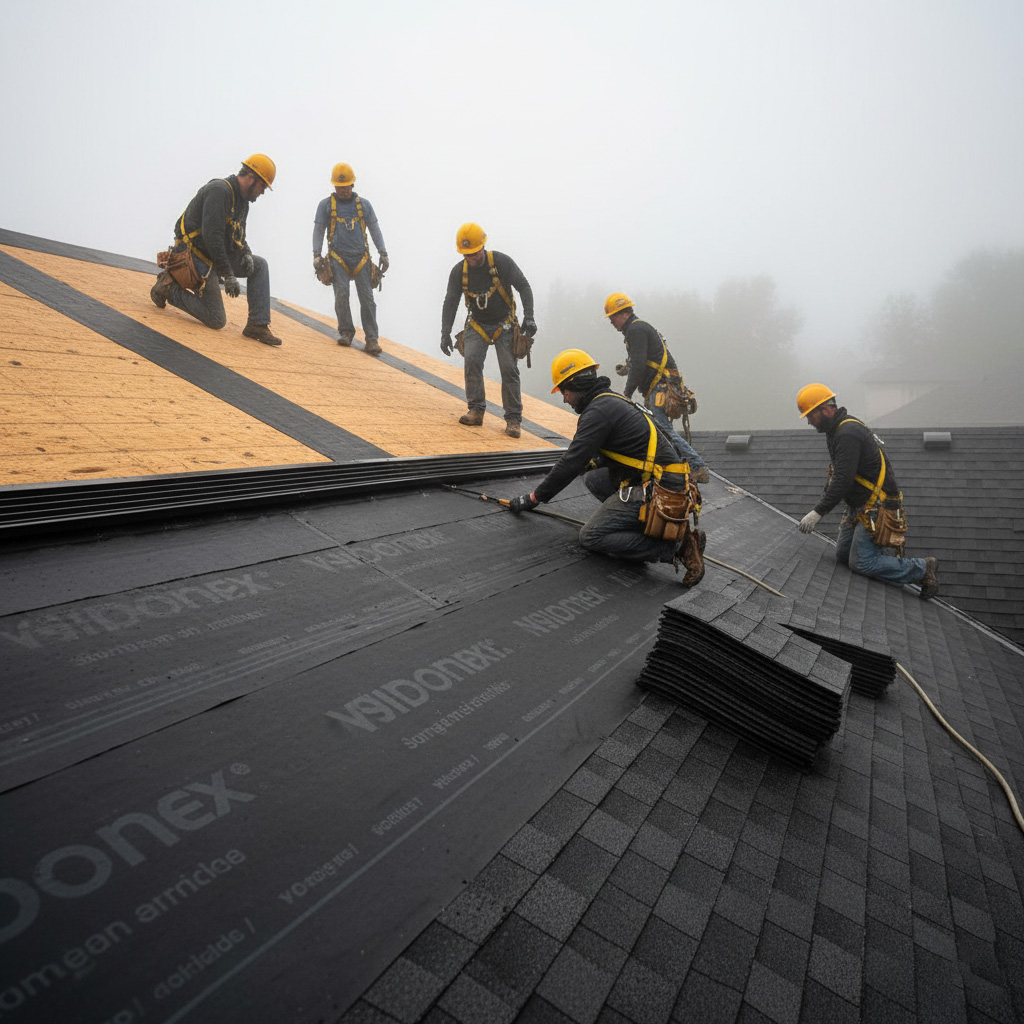
Saint Paul's Roof Killers: Ice Dams, Freeze-Thaw, and Hidden Damage
Saint Paul's winters hit roofs hard with ice dams. Snow melts on a warm day, refreezes at the eaves overnight. That blocks water, forcing it under shingles into your attic.
Ice Dams: The Silent Invader
Picture this: gutters overflow with chunky ice. Inside, stains spread across ceilings. One unchecked dam can cost thousands in water damage repairs.
- Heavy snow buildup on south-facing slopes speeds melting.
- Poor attic insulation traps heat, worsening the cycle.
- Result? Rotting sheathing and mold you can't see.
Freeze-Thaw Cycles: Cracking Your Defenses
Our endless thaw-freeze swings expand and contract roofing materials. Shingles curl. Flashing cracks open.
Granule loss exposes asphalt to UV rays next summer. Nails pop loose over time. Your roof ages five years in one brutal season.
Hidden damage lurks worst of all. Wind lifts shingles slightly, rain sneaks in. Attic leaks mimic plumbing issues until joists rot through.
Top 10 Warning Signs Every Homeowner Must Spot
Spot these red flags fast, or watch your roof crumble under Saint Paul's brutal winters. Ignore them, and you're handing repair crews a blank check. Catch them early? You dodge disasters and slash costs.
Here's the no-BS list pros check first. Run through it after every storm.
- Missing shingles: Wind rips them off. Bare spots invite leaks.
- Granules clogging gutters: Your shingles are shedding like a dog in summer. Asphalt wearing thin fast.
- Water stains on ceilings: Old damage screaming for attention. Don't patch; inspect up top.
- Ice dams forming ridges: Classic Saint Paul killer. Meltwater trapped, rotting your deck.
- Sagging roof deck: Heavy snow or rot pulling it down. Call pros now.
- Cracked flashing around chimneys: Freeze-thaw pops seals. Water sneaks in sneaky.
- Moss or algae streaks: Traps moisture, eats shingles alive in our humidity.
- Buckling or curling edges: Heat and cold cycles warping them. Replace before they fly.
- Attic dampness or mold: Hidden rot from poor ventilation. Crawl up there weekly.
- Spike in energy bills: Poor insulation from damaged underlayment. Winter thief.
Seen three or more? Grab your ladder for a quick peek. But if your gut says trouble, skip DIY. One wrong move, and you're in deeper.
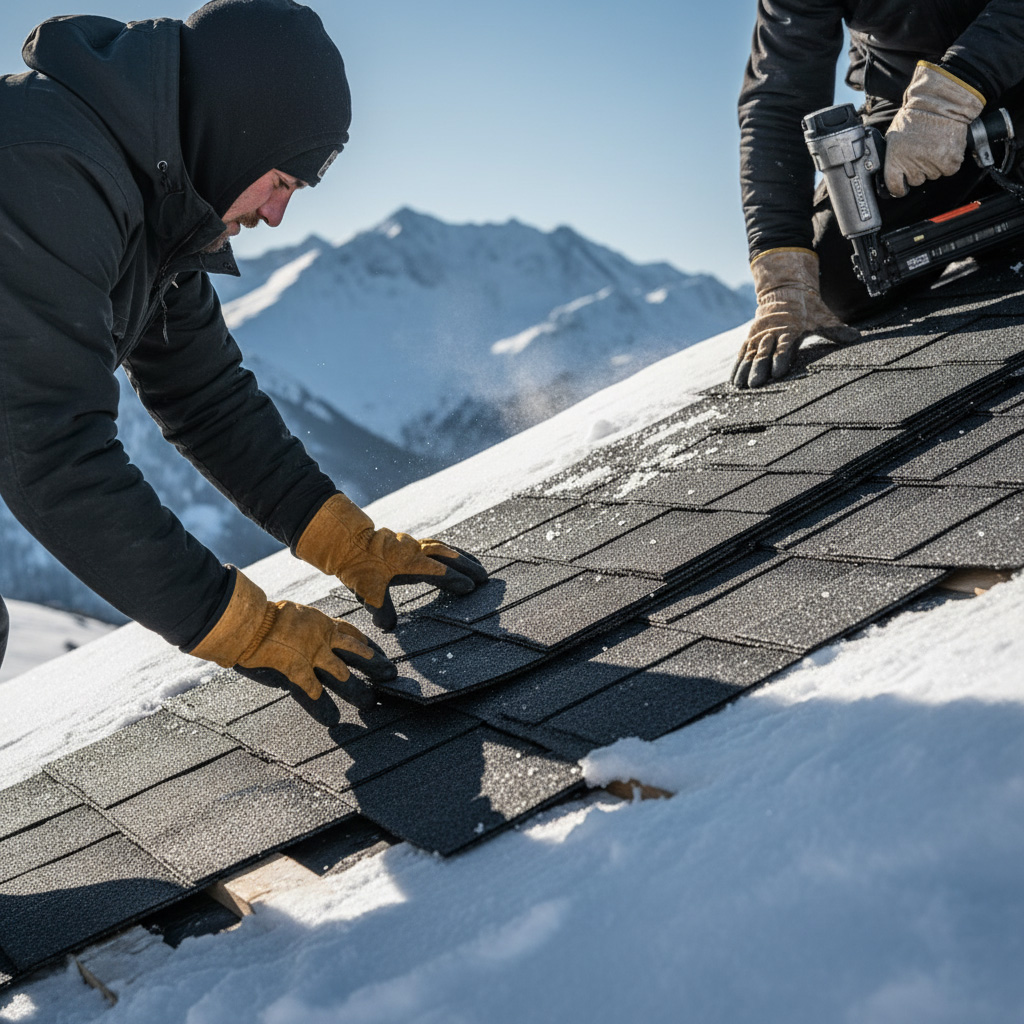
Your Step-by-Step Roof Inspection Checklist
Grab a ladder, binoculars, flashlight, and a notebook. Start on solid ground before climbing. Safety beats speed every time.
Ground Level Scan: Spot the Obvious First
Walk your property line. Look up at the entire roofline.
- Check for missing or curling shingles—they lift like sails in our winds.
- Scan gutters for ice dam scars or granule buildup from wear.
- Note sagging areas or uneven ridges signaling deeper trouble.
Ladder Up: Get Close Without Risking a Fall
Use a sturdy extension ladder at the right angle. Inspect one section at a time.
Feel for soft spots underfoot. Probe edges with a flat tool for rot.
- Examine flashing around chimneys and vents—cracks here leak fast in freeze-thaw.
- Look inside vents for blockages from leaves or critters.
- Tap shingles; hollow sounds mean water's gotten underneath.
Attic Dive: The Hidden Hero Check
Head inside with that flashlight. No ladder needed here.
Push aside insulation. Hunt for daylight spots or wet stains on rafters.
- Feel ceiling joists for dampness—Saint Paul's winters love this trick.
- Check for mold or rust on nails poking through.
- Measure any sagging; over an inch screams "call pros now."
Pro Inspector Tools and Techniques Revealed
Pros like us don't mess around with guesswork. We haul out gear that spots leaks and rot before they turn catastrophic. Think game-changers that save you from shelling out thousands later.
The Must-Have Tools
- Infrared cameras: They light up hidden moisture under shingles like a Christmas tree, even on a dry day.
- Moisture meters: Poke 'em into suspect spots to measure dampness levels pros know spell trouble.
- Drones with HD cams: Perfect for Saint Paul's steep pitches, giving bird's-eye views without risking a fall.
- Core sampling kits: Pull tiny plugs from shingles to check for rot or granule loss up close.
Techniques? We start attic-side, flashlight in hand, hunting for daylight through cracks or sagging rafters. Then hit the roof walk, tapping shingles for hollow sounds that scream water damage. Binoculars from the ground catch gutter overflows feeding ice dams—stuff you'd miss entirely.
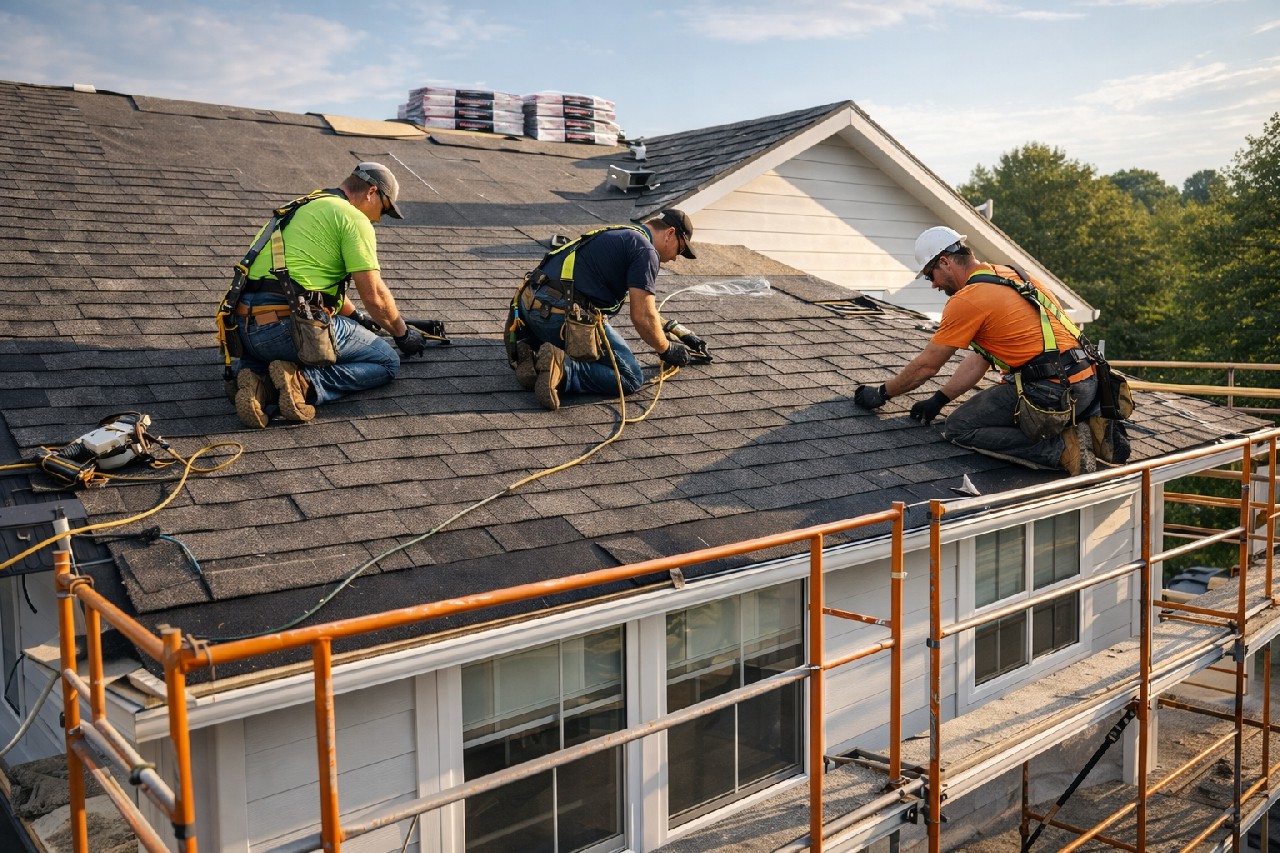
When DIY Isn't Enough: Red Flags for Expert Help
Sure, grabbing a ladder and binoculars works for basic checks. But Saint Paul's brutal winters hide damage that demands a pro's eye. Spot these danger signals, and pick up the phone fast.
Here are the top red flags screaming for expert backup:
- Granules piling up in gutters like black sand – your shingles are shot, and water's sneaking in.
- Attic dark spots or musty smells you can't pinpoint from the ground.
- Sagging rooflines or cracked rafters – structural nightmares from ice dam overload.
- Multiple shingle layers or a roof over 20 years old – a disaster waiting to unfold.
- Steep pitches, multiple chimneys, or dormers – too risky for amateurs to navigate safely.
Ignore these, and a small leak turns into a full demo job. Pros in Saint Paul use drones and infrared cameras to catch what you miss. Call one before the next freeze hits.
Case Study: Rescuing a Cathedral Hill Home from Collapse
Picture this: A Cathedral Hill couple calls us in panic after spotting buckled shingles on their 1920s Victorian. Water stains spiderwebbed the attic ceiling. One more freeze-thaw cycle, and the whole roof risked caving in.
What We Uncovered
- Ice dam scars from last winter had rotted the sheathing underneath.
- Freeze-thaw cracks let wind-driven rain seep into hidden rafter ends.
- A sagging ridge beam screamed structural failure—no one had checked it in years.
DIY peeks missed it all. We climbed up with thermal cameras and moisture meters. Trouble hid just below the surface.
Quick action saved the day. We stripped the damaged layers, reinforced the rafters, and installed ice-and-water shields head to toe. Six weeks later, that home stood strong against a blizzard—bills stayed under $15K instead of a full $50K tear-off.
Key takeaway? Spot those subtle bows early. Call pros before the drop.
Final Words
Spot those roof killers early. Act fast on the warning signs. Your home stays safe and your wallet intact.
Grab our Roof Inspection checklist below. Print it. Run through it next weekend.
- Check eaves for ice dam scars.
- Probe shingles for soft spots.
- Snap photos of any doubt.
Still unsure? Call the pros now. We've saved Saint Paul roofs from disaster. Don't wait for the next freeze.
People Also Ask
How do ice dams damage roofs in Saint Paul, MN?
Ice dams form when snow melts and refreezes along roof edges, causing water to seep under shingles and damage insulation, sheathing, and interiors. In Saint Paul's harsh winters, this hidden moisture leads to mold, rot, and structural weakening. Regular inspections reveal early signs like icicles or stains to prevent costly repairs.
What are the top warning signs of roof damage in Saint Paul?
Look for missing or curling shingles, granule loss in gutters, interior leaks, or sagging areas on your roof. Saint Paul's freeze-thaw cycles accelerate these issues, often hiding damage until it's severe. Spotting them early through visual checks can save thousands in replacement costs.
How often should homeowners in Saint Paul inspect their roofs?
Inspect twice yearly—spring and fall—plus after major storms common in Minnesota. Annual professional checks are ideal for older roofs exposed to ice dams and heavy snow. This schedule catches hidden wear before it escalates into emergencies.
Can I perform a DIY roof inspection in Saint Paul, or do I need pros?
DIY inspections using binoculars and checklists work for basic visuals from the ground, but miss attic moisture or shingle adhesion issues. In Saint Paul, steep roofs and weather risks make professional tools like drones essential for safety and accuracy. Call experts if you spot red flags like soft spots or leaks.
What tools do professional roof inspectors use in Saint Paul?
Pros employ moisture meters, infrared cameras, and drones to detect hidden leaks and thermal weaknesses from ice dams. Core sampling and ladder assessments reveal shingle integrity and underlayment damage. These techniques ensure thorough evaluations tailored to Minnesota's climate challenges.

Saint Paul Roofing delivers professional roofing services to homeowners and businesses throughout Saint Paul, MN. With years of hands-on experience, the team specializes in installations, repairs, and maintenance designed for local weather challenges. Rooted in the community, Saint Paul Roofing prioritizes quality craftsmanship for lasting results.
Need Roofing?
Fast roof repairs and replacements in Saint Paul, MN and nearby areas (55101, 55102, 55104, 55105, 55107) protect your home from leaks and weather damage in record time.
Get Roof Quote